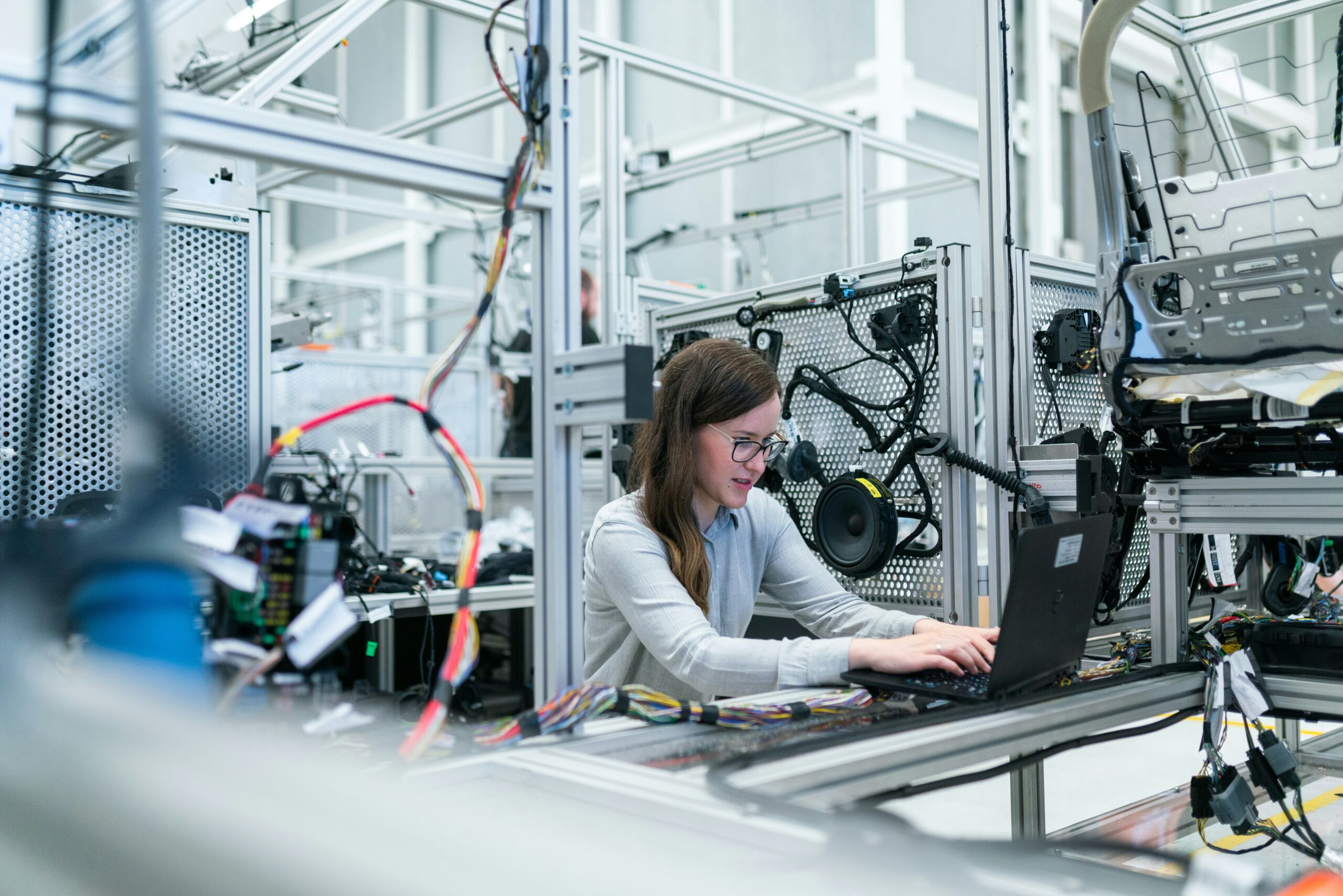
Technology continues to transform the way people work across the world. As a result, global employment trends are shifting rapidly. Companies adopt new tools, while workers adapt to new roles and expectations. Therefore, the modern workforce looks very different from what it did only a decade ago.
Moreover, this transformation affects every industry, from healthcare to finance. While some jobs disappear, others emerge. At the same time, workers must learn new skills to stay relevant. Consequently, understanding global employment trends helps both employers and employees prepare for the future.
The Rise of Digital Transformation
Digital transformation plays a major role in shaping global employment trends. Businesses now rely heavily on software, data, and cloud systems. Because of this shift, companies demand workers who can manage digital tools effectively.
In addition, many organizations now prioritize digital literacy. Workers who understand data analysis, cybersecurity, and cloud platforms gain a strong advantage. Meanwhile, those without these skills may struggle to keep up.
Furthermore, digital transformation allows companies to scale quickly. As a result, startups can compete with large corporations. This creates more opportunities, yet it also increases competition in the job market.
Automation and Its Impact on Jobs
Automation continues to influence global employment trends in significant ways. Machines and algorithms now handle tasks that once required human effort. For example, factories use robots, while offices use automated software.
However, automation alone does not eliminate jobs. Instead, it changes the nature of work. Many repetitive tasks disappear, yet new roles emerge that require creativity and problem-solving.
At the same time, workers must adapt. Learning new skills becomes essential. Therefore, continuous education plays a key role in career growth. Without it, workers risk falling behind in an automated world.
Artificial Intelligence and the Future of Work
Artificial intelligence drives another major shift in global employment trends. AI systems analyze data, make predictions, and even assist in decision-making. As a result, many industries rely on AI to improve efficiency.
For instance, healthcare professionals use AI to detect diseases earlier. Similarly, financial experts use AI to assess risks. As a result, jobs now combine human insight with machine intelligence.
Nevertheless, AI also raises concerns—some fear job loss, while others worry about ethical issues. Even so, many experts believe AI will create more jobs than it replaces. These new roles often require advanced skills, which makes education even more important.
The Growth of Remote Work
Remote work has become a defining feature of global employment trends. Technology allows employees to work from anywhere with an internet connection. Consequently, companies can hire talent from across the world.
In addition, remote work offers flexibility. Workers can better balance personal and professional responsibilities. This often leads to higher job satisfaction.
On the other hand, remote work also presents challenges. Communication can become harder, and employees may feel isolated. Therefore, companies must develop strong digital communication strategies to maintain productivity.
The Gig Economy and Flexible Employment
The gig economy continues to expand as part of global employment trends. Many workers now prefer flexible jobs to traditional full-time roles. Platforms connect freelancers with clients, creating new income opportunities.
Moreover, this shift allows workers to explore multiple careers. They can take on projects that match their skills and interests. As a result, work becomes more personalized.
However, gig work also lacks stability. Workers may not receive benefits or job security. Therefore, governments and organizations must find ways to support gig workers while preserving flexibility.
Skills That Matter in the Modern Workforce
As global employment trends evolve, certain skills become more valuable. Technical skills remain important, yet soft skills also gain attention. Communication, adaptability, and critical thinking play a key role in success.
Furthermore, lifelong learning becomes essential. Workers must update their skills regularly to stay competitive. Online courses and training programs make this easier than ever.
In addition, employers now look for individuals who can work with technology rather than compete against it. This mindset helps workers thrive in a rapidly changing environment.
Education and Workforce Development
Education systems must adapt to match global employment trends. Traditional methods often focus on theory, while modern jobs require practical skills. Therefore, schools and universities must update their programs.
At the same time, companies invest in employee training. Many organizations offer workshops and online courses to help workers grow. This benefits both employees and employers.
Moreover, partnerships between industries and educational institutions can close skill gaps. By working together, they prepare students for real-world challenges.
Globalization and Talent Mobility
Technology also supports globalization, which influences global employment trends. Workers can now collaborate across borders with ease. This creates a more connected workforce.
As a result, companies access a wider talent pool. They can hire the best candidates regardless of location. Meanwhile, workers gain opportunities to work for international organizations.
However, globalization also increases competition. Workers must differentiate themselves to stand out. Therefore, building unique skills becomes even more important.
Workplace Culture in the Digital Age
Technology changes not only jobs but also workplace culture. Digital tools shape how teams communicate and collaborate. Consequently, organizations must rethink their culture.
For example, many companies focus on results rather than hours worked. This shift supports flexibility and productivity. In addition, digital platforms encourage transparency and collaboration.
At the same time, leaders must ensure that employees feel connected. Even in remote settings, a strong culture remains essential for success.
Challenges and Opportunities Ahead
Global employment trends present both challenges and opportunities. While technology disrupts traditional roles, it also creates new possibilities. Therefore, adaptability becomes the key to success.
Workers who embrace change can thrive in this environment. Meanwhile, those who resist may struggle. As a result, mindset plays a crucial role in career growth.
Furthermore, policymakers must address issues such as job displacement and income inequality. By doing so, they can ensure that technological progress benefits everyone.
Technology continues to reshape global employment trends in powerful ways. From automation to remote work, each change influences how people earn a living. As a result, the workforce evolves constantly.
Moreover, this transformation highlights the importance of learning and adaptability. Workers must develop new skills, while companies must support their growth. Together, they can successfully navigate the future of work.
Global employment trends reflect a world in transition. Although challenges exist, opportunities continue to grow. Therefore, those who stay informed and flexible will find success in the modern economy.