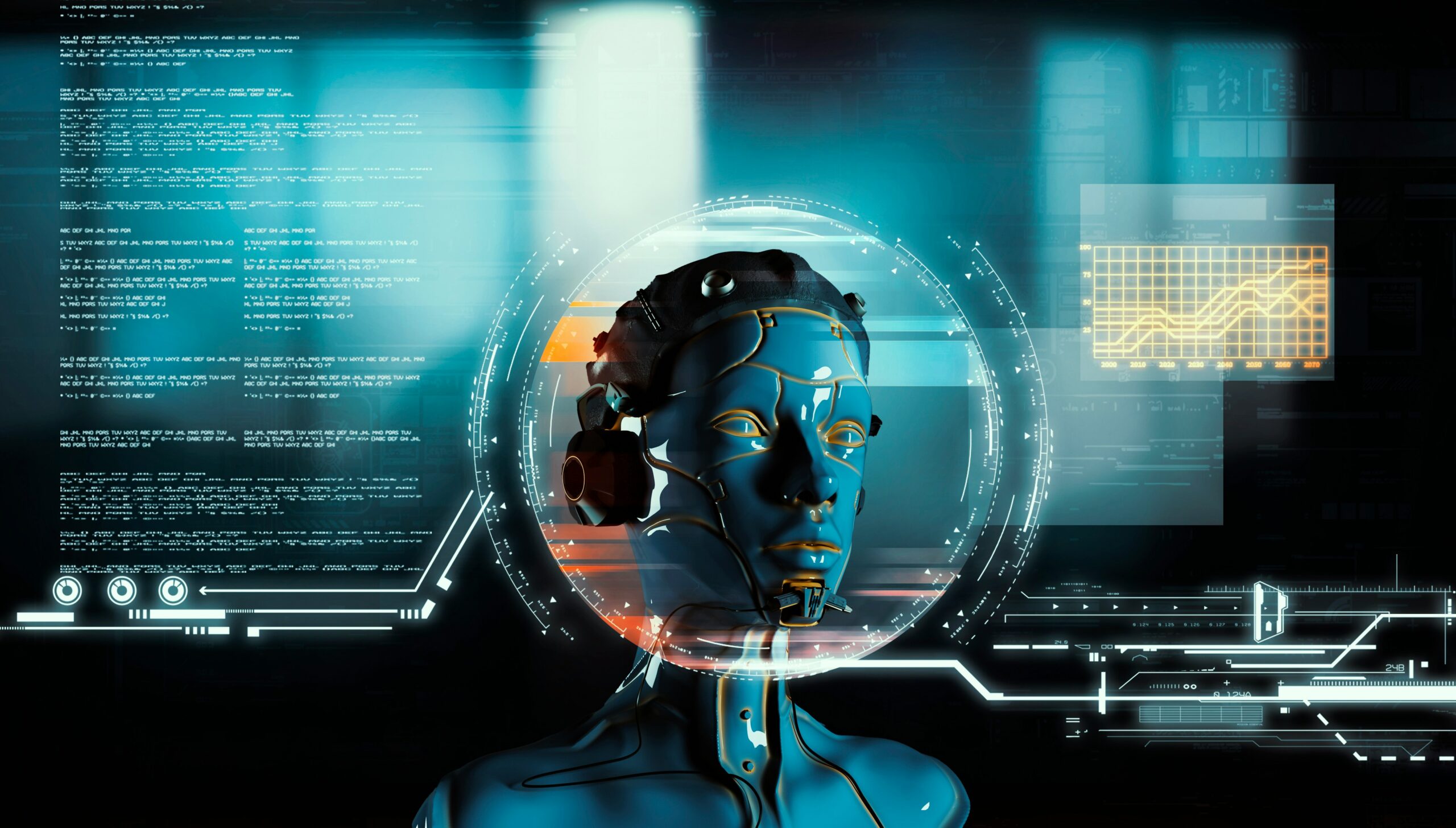
Artificial intelligence (AI) is no longer a distant concept confined to science fiction; instead, it has become a powerful force shaping modern society. Today, AI technologies influence how we work, communicate, shop, and even think. As a result, industries worldwide are undergoing rapid transformation, driven by automation, data analysis, and machine learning. Moreover, individuals interact with AI daily, often without realizing it, through tools like voice assistants, recommendation systems, and smart devices.
At the same time, the rapid advancement of AI raises important questions about ethics, employment, and human interaction. Nevertheless, its benefits continue to expand, offering unprecedented efficiency, accuracy, and innovation. Therefore, understanding how AI is transforming both industries and daily life is essential for adapting to this evolving technological landscape.
AI in Healthcare
First and foremost, AI is revolutionizing healthcare by improving diagnosis, treatment, and patient care. For instance, machine learning algorithms can analyze medical images with remarkable accuracy, helping doctors detect diseases such as cancer at earlier stages. In addition, AI-powered tools help predict patient outcomes, enabling healthcare providers to make more informed decisions. Consequently, patients receive faster and more precise treatment, which significantly enhances survival rates and overall healthcare quality.
Furthermore, AI is streamlining administrative processes in hospitals and clinics. For example, automated systems manage patient records, schedule appointments, and even assist in virtual consultations. As a result, healthcare professionals can focus more on patient care rather than paperwork. Meanwhile, wearable devices powered by AI continuously monitor health metrics, enabling early detection of potential issues. Thus, AI not only improves efficiency but also promotes proactive healthcare management.
AI in Business and Industry
Similarly, AI is transforming the business world by optimizing operations and enhancing decision-making. Companies use AI-driven analytics to process vast amounts of data, uncovering patterns and trends that would be impossible for humans to identify manually. Consequently, businesses can make data-driven decisions that improve productivity and profitability. Moreover, automation reduces human error and accelerates repetitive tasks, allowing employees to focus on more strategic responsibilities.
In addition, AI is reshaping customer experiences across industries. For instance, chatbots and virtual assistants provide instant customer support, ensuring quick responses and personalized interactions. Meanwhile, recommendation algorithms suggest products and services tailored to individual preferences, increasing customer satisfaction and sales. Therefore, businesses that adopt AI technologies gain a competitive advantage in an increasingly digital marketplace.
AI in Education
Likewise, AI is playing a significant role in modern education by personalizing learning experiences. Adaptive learning platforms analyze students’ strengths and weaknesses and adjust content accordingly to improve comprehension. As a result, students receive customized instruction that caters to their individual needs. Furthermore, AI-powered tools help teachers grade assignments and track student progress, saving valuable time and effort.
At the same time, AI enhances educational accessibility. For example, speech recognition and language translation technologies help students with disabilities or language barriers participate more effectively in the learning process. Additionally, virtual tutors and online platforms provide learning opportunities beyond traditional classrooms. Consequently, education becomes more inclusive and flexible, enabling lifelong learning for people around the world.
AI in Transportation
Meanwhile, AI is revolutionizing transportation by improving safety and efficiency. Self-driving cars, powered by advanced AI systems, can analyze road conditions, detect obstacles, and make real-time decisions. As a result, these vehicles have the potential to reduce accidents caused by human error. Moreover, AI is used in traffic management systems to optimize traffic flow and reduce congestion in urban areas.
In addition, logistics and supply chain operations benefit greatly from AI technologies. For instance, predictive analytics help companies anticipate demand and optimize delivery routes. Consequently, businesses can reduce costs and improve delivery times. Furthermore, ride-sharing platforms use AI algorithms to efficiently match drivers with passengers. Therefore, AI is transforming how people and goods move from one place to another.
AI in Daily Life
On a more personal level, AI has become deeply integrated into everyday life. For example, virtual assistants like Siri, Alexa, and Google Assistant help users set reminders, play music, and control smart home devices. As a result, daily routines become more convenient and efficient. Additionally, streaming services and social media platforms use AI to recommend content based on user preferences, thereby enhancing the entertainment experience.
Moreover, smart home technologies are becoming increasingly popular. Devices such as thermostats, security systems, and lighting controls use AI to learn user behavior and automatically adjust settings. Consequently, homes become more energy-efficient and secure. At the same time, AI-powered fitness apps and health trackers encourage healthier lifestyles by providing personalized insights. Thus, AI continues to shape how individuals live and interact with technology.
Challenges and Ethical Considerations
However, despite its many benefits, AI also presents significant challenges and ethical concerns. One major issue is job displacement, as automation replaces certain roles traditionally performed by humans. Nevertheless, new opportunities are emerging in AI development and maintenance. Therefore, adapting to these changes requires reskilling and continuous learning.
Additionally, concerns about data privacy and bias in AI systems cannot be ignored. For instance, AI algorithms rely on large datasets that may contain biases, leading to unfair outcomes. Consequently, ensuring transparency and accountability in AI development is crucial. Furthermore, ethical guidelines and regulations must evolve alongside technological advancements. While AI offers immense potential, addressing these challenges is essential to creating a balanced, responsible future.