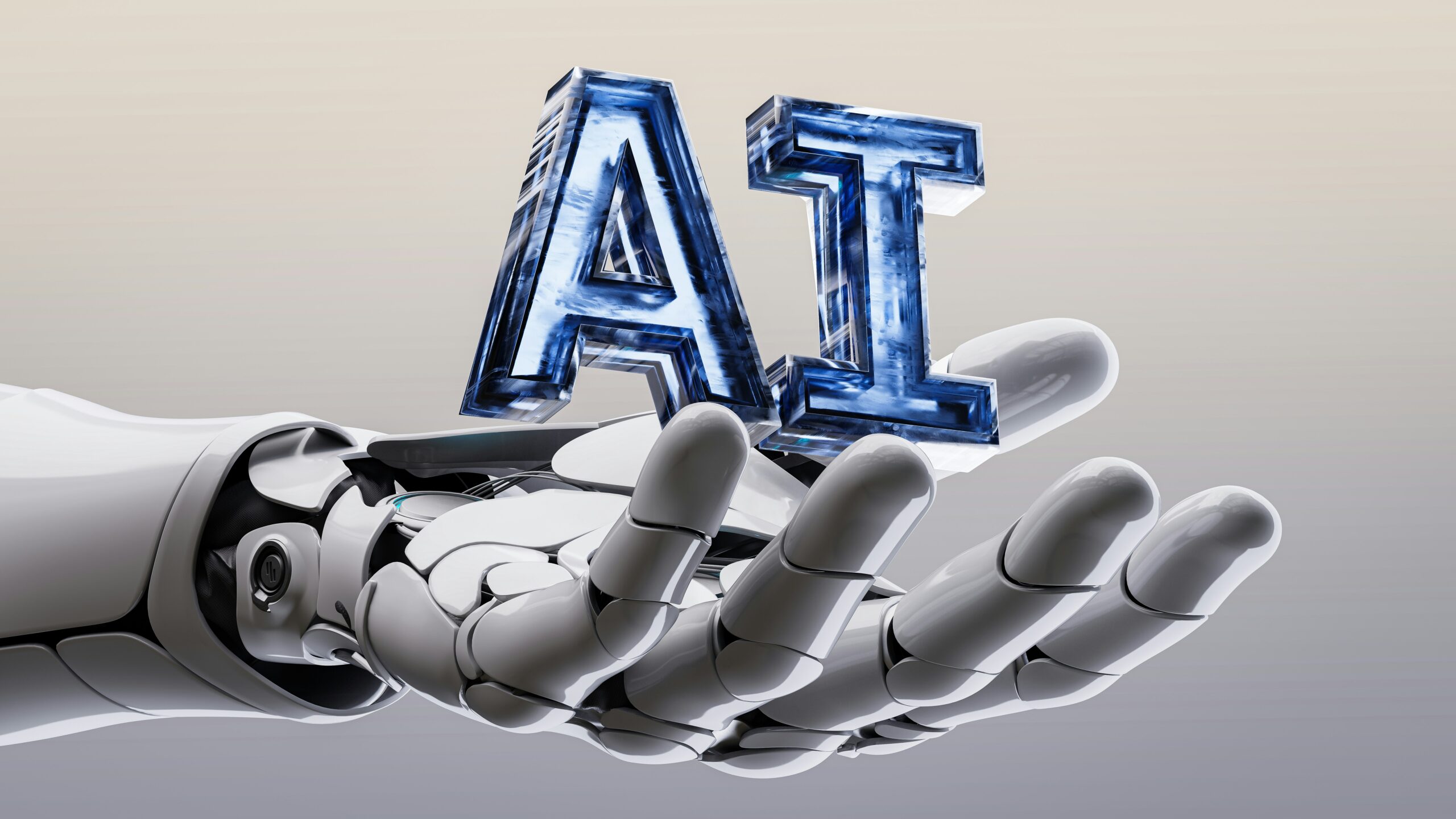
Artificial Intelligence now stands at the center of modern progress, continuing to reshape how people work, learn, shop, and live. Across the United States, businesses and households use Artificial Intelligence to solve problems faster, reduce friction, and unlock new ideas. Because developers design AI systems to learn from data, these systems adapt quickly and deliver value at scale. As a result, Artificial Intelligence no longer feels like a distant concept. Instead, it operates as a daily partner in both professional and personal settings.
Moreover, Artificial Intelligence influences decisions that once relied only on human judgment. From recommending content to managing supply chains, AI tools guide actions with speed and clarity. However, people still control goals and ethics, which keep technology aligned with human needs. Therefore, understanding how Artificial Intelligence transforms industries and daily life helps individuals and organizations prepare for a brighter, more connected future.
Artificial Intelligence and the Modern Workplace
Artificial Intelligence has changed the workplace by improving efficiency and accuracy. Companies now use AI-driven software to analyze data, forecast demand, and streamline operations. Because these tools process information in real time, teams act faster and reduce costly errors. Consequently, workers spend less time on repetitive tasks and more time on creative and strategic work.
At the same time, Artificial Intelligence supports employees rather than replacing them. AI-powered assistants help schedule meetings, manage emails, and surface insights. Therefore, professionals gain clarity and focus throughout the day. As collaboration improves, organizations grow stronger and more agile. In turn, Artificial Intelligence becomes a trusted teammate that boosts productivity and morale.
Artificial Intelligence in Healthcare and Wellness
Healthcare has embraced Artificial Intelligence to improve patient outcomes and expand access to care. Doctors now rely on AI systems to read medical images, flag risks, and suggest treatment paths. Because Artificial Intelligence analyzes vast datasets, it detects patterns that humans may miss. As a result, clinicians diagnose conditions earlier and act with greater confidence.
Beyond hospitals, AI supports everyday wellness. Fitness apps use AI to tailor workout plans, while health platforms track habits and offer guidance. Therefore, people take a more active role in their own health. Moreover, AI helps reduce costs and wait times, strengthening the entire healthcare system and building trust among patients.
Artificial Intelligence in Education and Learning
Education has also transformed through AI, especially in digital classrooms. AI-powered platforms adapt lessons to each student’s pace and style. Because learners receive personalized feedback, they stay engaged and motivated. Consequently, teachers gain tools that highlight gaps and strengths, which improve instruction.
Furthermore, AI expands access to knowledge. Students can learn new skills anytime with brilliant tutors and interactive tools. Therefore, education no longer depends solely on location or schedule. As lifelong learning becomes essential, Artificial Intelligence supports growth and curiosity across all ages.
Artificial Intelligence in Business and Customer Experience
Businesses across industries use Artificial Intelligence to deliver better customer experiences. AI chatbots answer questions instantly, while recommendation engines suggest relevant products. Because these systems learn from behavior, they grow more accurate over time. As a result, customers enjoy faster service and more meaningful interactions.
In addition, AI helps companies understand markets and trends, providing data-driven insights that guide pricing, marketing, and product design. Therefore, leaders make informed decisions with less guesswork. When businesses respond quickly to needs, they build loyalty and trust, which fuels long-term success.
Artificial Intelligence in Transportation and Smart Cities
Transportation has entered a new era through AI. Navigation apps use AI to predict traffic and suggest faster routes. Because these tools adjust in real time, drivers save time and fuel. Consequently, daily commutes become smoother and less stressful.
Smart cities also rely on Artificial Intelligence to manage resources. AI systems optimize energy use, monitor infrastructure, and improve public safety. Therefore, cities operate more efficiently and sustainably. As urban areas grow, AI helps leaders plan for the future while enhancing the quality of life today.
Artificial Intelligence in Daily Home Life
AI now lives inside many American homes. Smart speakers, thermostats, and security systems respond to voice commands and habits. Because these devices learn preferences, they create comfort and convenience. As a result, families enjoy safer and more efficient living spaces.
Moreover, AI supports entertainment and communication. Streaming services recommend shows, while translation tools break language barriers. Therefore, people connect and relax with ease. As technology blends into routines, AI feels less like a tool and more like a helpful presence.
Ethical Use and Trust in Artificial Intelligence
As it grows, ethical use becomes essential. Developers and organizations must design systems that respect privacy and fairness. Because AI influences decisions, transparency builds trust. Therefore, clear rules and responsible practices guide adoption.
At the same time, education empowers users to understand. When people know how AI works, they use it wisely. Consequently, society benefits from innovation without fear. By balancing progress and responsibility, this serves the public good.
The Future of Artificial Intelligence in America
The future of Artificial Intelligence promises continued growth and opportunity. Emerging technologies will enhance creativity, science, and collaboration. Because AI evolves quickly, adaptability remains key. Therefore, individuals and organizations that learn and experiment will thrive.
Artificial Intelligence will continue transforming industries and daily life. It supports better decisions, richer experiences, and inclusive growth. As America moves forward, Artificial Intelligence stands as a powerful force shaping a more intelligent, more connected society.