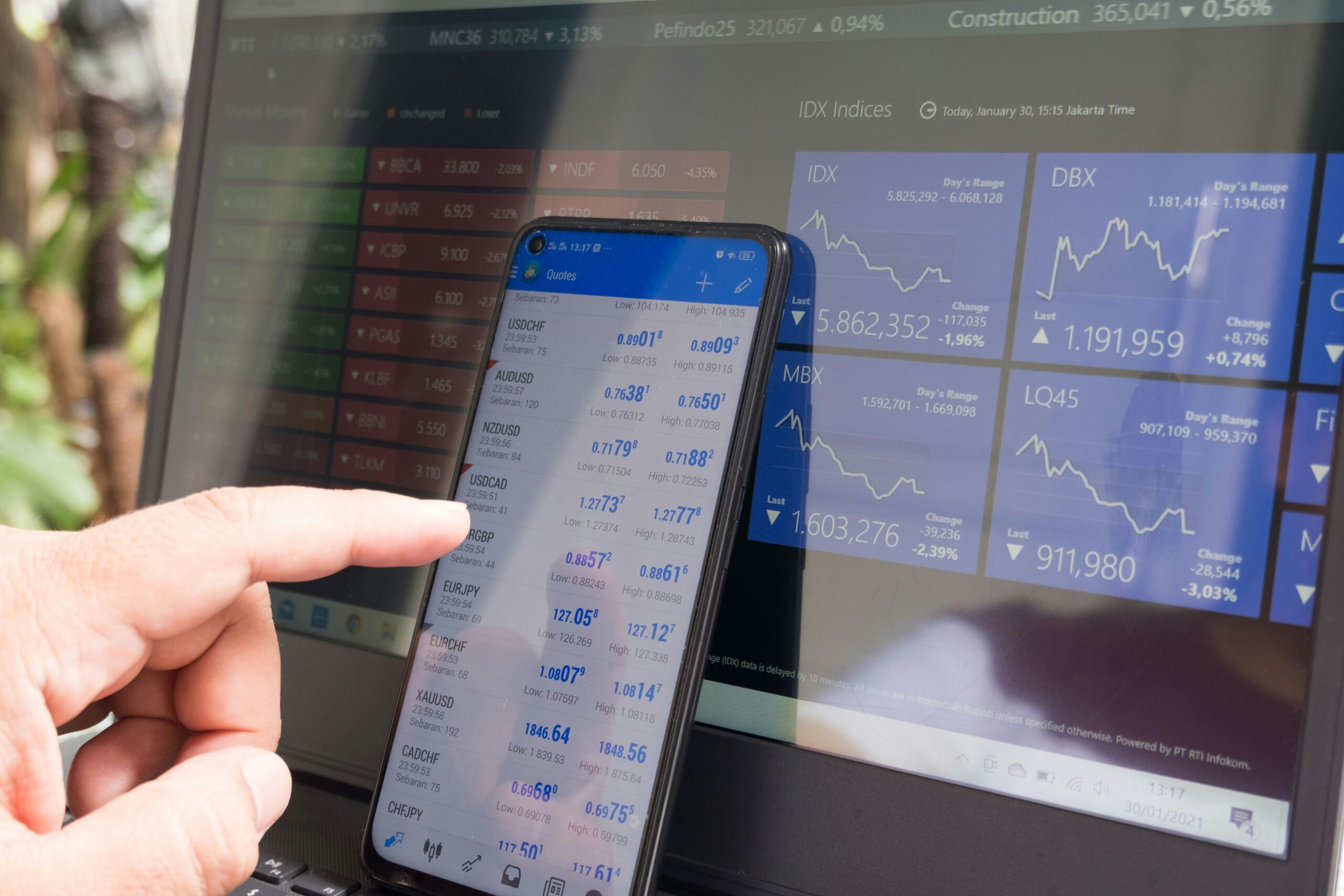
Economics is not just about charts, graphs, or complex policies—it’s woven into nearly every choice. From deciding what to eat for breakfast to selecting a career path, economics influences daily decisions more than most people realize. Understanding how economic principles affect our personal and financial behavior allows us to make wiser and more efficient choices.
Every day life presents countless moments where economic reasoning comes into play. You use economic thought to compare prices at the grocery store, manage your budget, or consider investments. Recognizing this connection helps you better navigate a world driven by scarcity, cost, and value.
The Link Between Economics and Human Behavior
Human behavior often revolves around making choices under limited resources, which lies at the core of economics. People naturally weigh costs and benefits before acting, whether consciously or not. For example, choosing between cooking at home and dining out involves evaluating time, money, and satisfaction. Economics helps explain how individuals prioritize and allocate resources to maximize personal benefit.
Studying economic patterns enables us to understand how emotions, habits, and incentives drive decisions. Behavioral economics, a growing field, explores how people sometimes act irrationally—buying things they don’t need or delaying savings. Recognizing these tendencies empowers individuals to develop better habits that align with their financial goals.
Budgeting: The Most Personal Economic Decision
Budgeting is the foundation of economic thinking at the personal level. It involves setting priorities, managing income, and planning expenses to ensure financial stability. A well-structured budget helps you live within your means and prepare for unexpected costs. Every financial decision, from paying bills to saving for a vacation, stems from applying economic logic.
In everyday life, budgeting forces individuals to confront the concept of scarcity. Resources like time and money are limited, and how we allocate them determines our quality of life. When you spend on essentials before luxuries or invest rather than consume, you actively practice intelligent economic decision-making.
The Role of Supply and Demand in Daily Choices
The law of supply and demand affects everything we buy or sell. When demand for a product rises, prices often increase; when supply exceeds demand, prices fall. This simple principle drives global markets and directly impacts your daily purchases—from groceries to gasoline.
Understanding supply and demand helps consumers recognize when to buy, save, or wait. For instance, shopping for seasonal items like clothing or electronics during off-peak times often leads to better deals. By paying attention to market trends, you can use economics to stretch your dollar further and make strategic buying decisions.
Opportunity Cost: Choosing Wisely
Every decision involves trade-offs, which economists call opportunity cost—the value of the next best alternative you give up. Suppose you spend an evening watching a movie. In that case, you lose time that could have been used for studying or earning extra income. Being aware of opportunity costs encourages smarter time and money management.
Understanding this principle helps you prioritize choices that offer long-term benefits. Instead of spending impulsively, you can assess what you might lose. Whether skipping unnecessary subscriptions or saving for a long-term goal, recognizing opportunity costs ensures that every decision adds value to your life.
How Economics Affects Consumer Behavior
Consumers respond to prices, promotions, and perceived value, all of which are influenced by economics. When the economy is strong and incomes rise, people tend to spend more freely. Conversely, during recessions, spending declines as individuals become cautious about financial stability. Businesses adjust their strategies accordingly, shaping the entire market landscape.
This dynamic relationship between consumers and businesses demonstrates how personal choices influence the economy and vice versa. By understanding these patterns, you can make purchases more strategically—avoiding emotional spending and focusing on real utility. Economics empowers consumers to make deliberate, value-driven decisions.
Economics and the Job Market
The job market also operates on the economic principles of supply and demand. Competition increases when there are more workers than available jobs, often lowering wages. In contrast, industries with labor shortages tend to offer higher pay and better benefits to attract talent. Understanding these trends helps job seekers choose fields with stronger demand and growth potential.
For individuals, economics plays a vital role in career planning. Knowing how industries evolve and technology affects job availability can guide you toward sustainable and rewarding work opportunities. Economic awareness helps you prepare for future shifts, ensuring your skills remain relevant and valuable in a changing market.
Decision-Making in Times of Economic Change
Economic conditions constantly fluctuate, influencing everything from inflation to employment rates. These shifts affect household budgets, spending patterns, and even mental well-being. In times of inflation, for instance, the purchasing power of money decreases, prompting people to reassess their expenses and savings strategies.
By staying informed about broader economic trends, individuals can adapt more effectively. Understanding how monetary policy, interest rates, or market changes impact your financial situation enables proactive adjustments. Whether refinancing a loan or diversifying investments, applying economic awareness leads to resilience in uncertain times.
The Connection Between Economics and Sustainability
Modern consumers are increasingly aware of how economic activity affects the environment. Sustainable choices, such as buying eco-friendly products or supporting ethical brands, reflect a growing concern for long-term well-being. Economics helps balance resource use with preservation, encouraging individuals and businesses to make decisions that protect profits and the planet.
Choosing sustainability also reflects rational economic thinking. Investing in renewable energy or reducing waste can save money in the long run. As awareness grows, economics plays a vital role in shaping behavior that benefits consumers and society.
The Influence of Global Economics on Daily Life
Global markets shape the prices we pay, the jobs we pursue, and even the foods we eat. Exchange rates determine travel costs and import prices, while international trade affects product availability. The interconnection of economies means that events in one country can influence spending power and economic stability worldwide.
Staying informed about global economic trends allows individuals to anticipate changes that might affect their lives. Whether it’s understanding why fuel prices rise or how trade policies influence local industries, global economics reminds us that our everyday decisions are part of a much larger system.
Making Smarter Choices Through Economic Awareness
Knowing how economics affects decision-making empowers you to plan better and act wisely. From budgeting to investment, every financial move benefits from clear economic understanding. Knowing when to save, where to invest, and how to respond to market changes can dramatically improve financial outcomes.
Intelligent decision-making grounded in economics also enhances confidence. By understanding the principles that shape markets and influence behavior, you gain control over your financial future. As a result, you approach choices with logic rather than emotion, leading to stability and success over time.